
One of the strongest reflections I took from Cambridge is that technology alone does not transform education. Transformation happens when young people are supported by trained educators, relevant learning resources, safe environments, and pathways to apply what they learn in real life.
We believe that every young person deserves the opportunity to become not only a user of technology, but a creator, problem-solver, and future innovator.
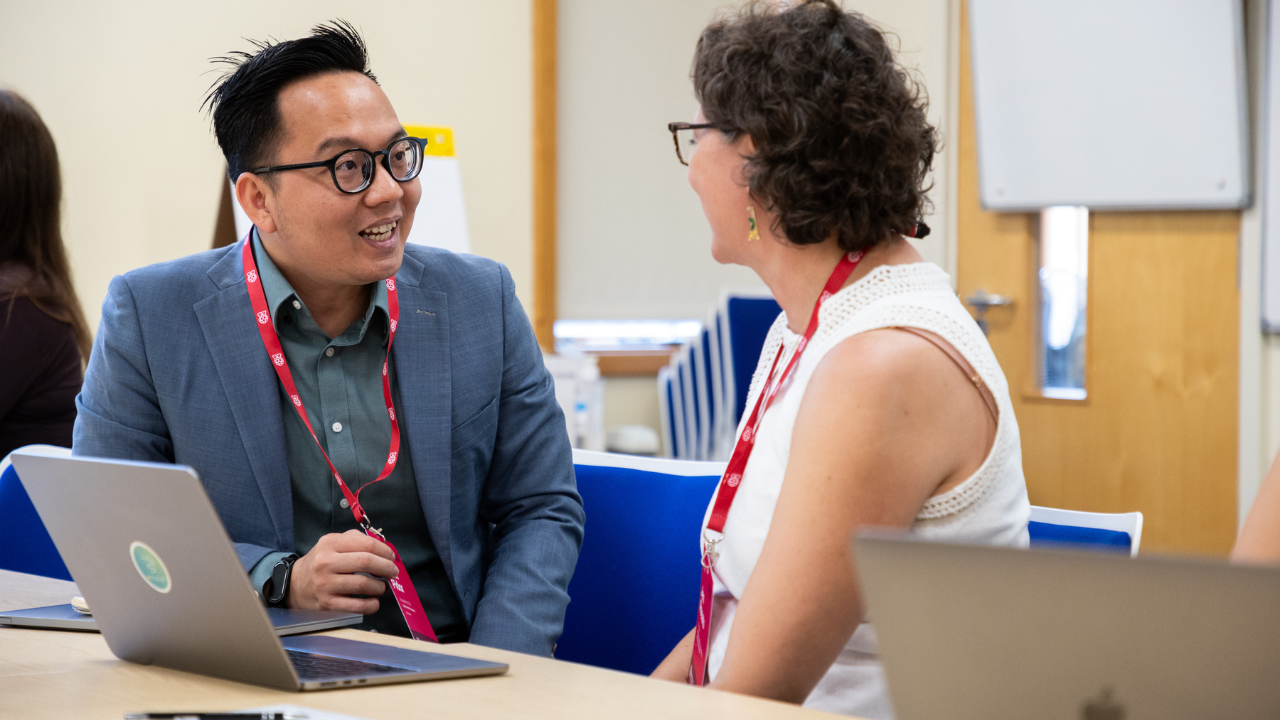
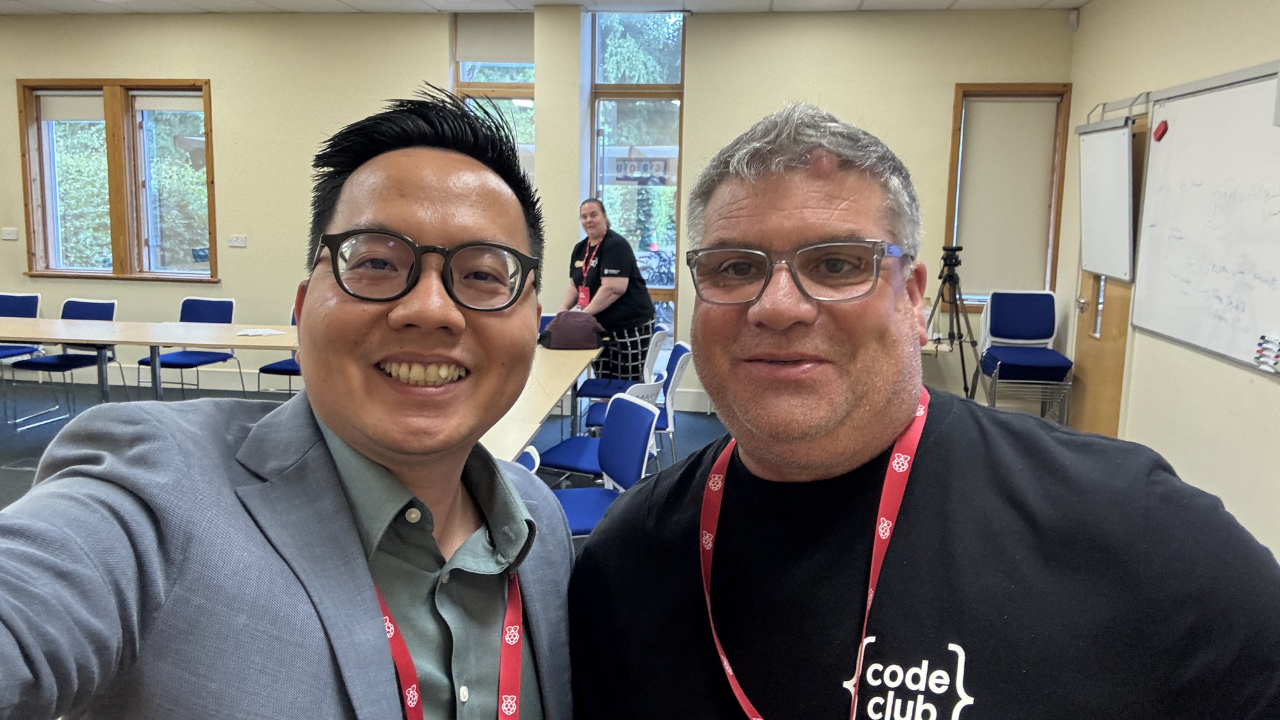
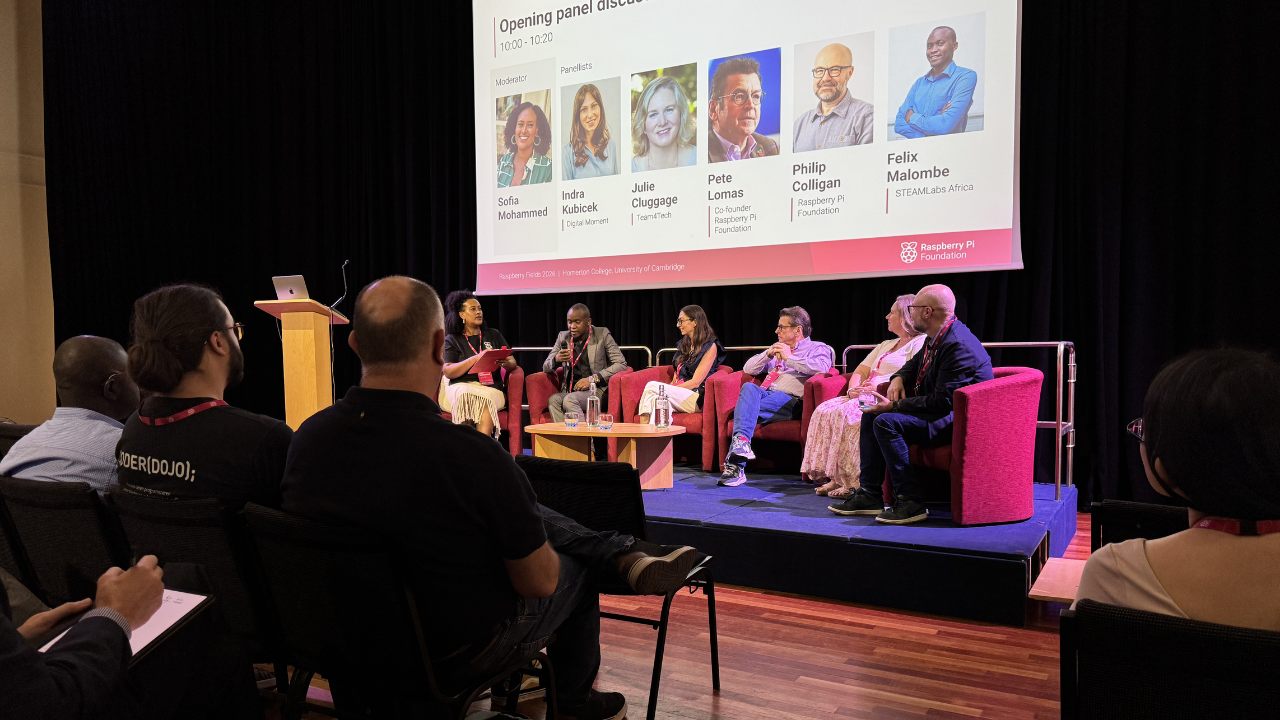
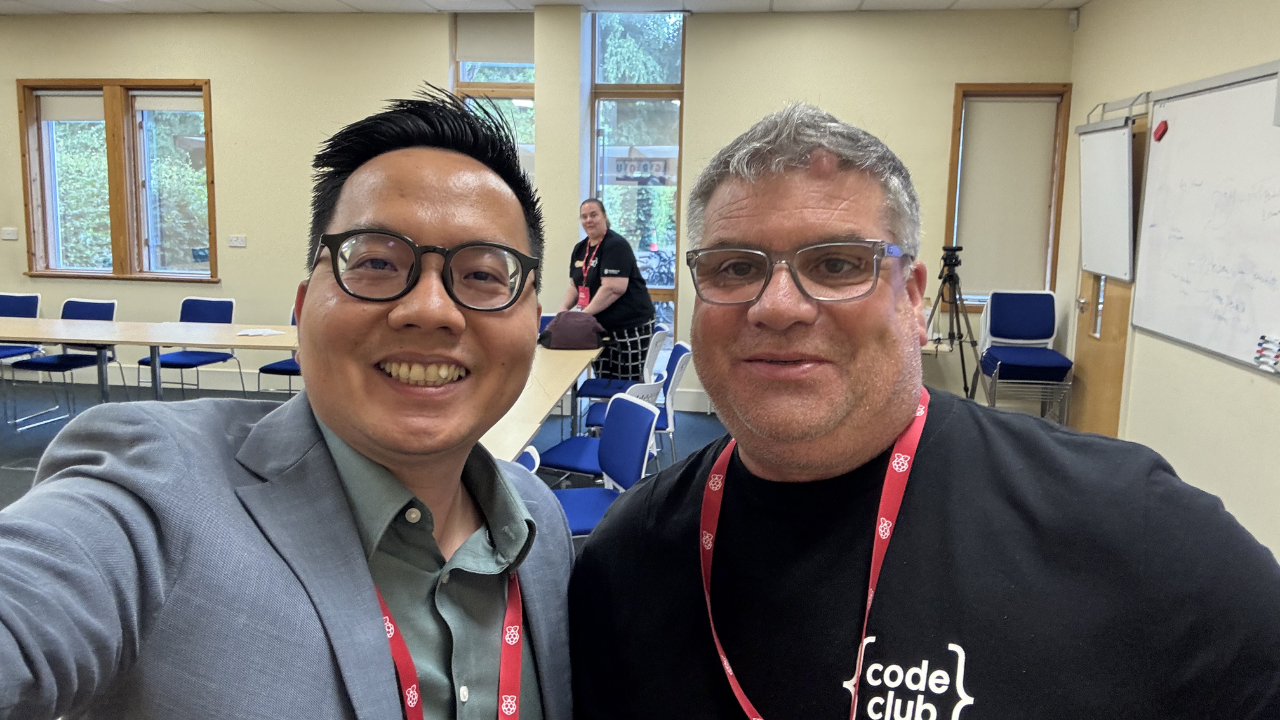
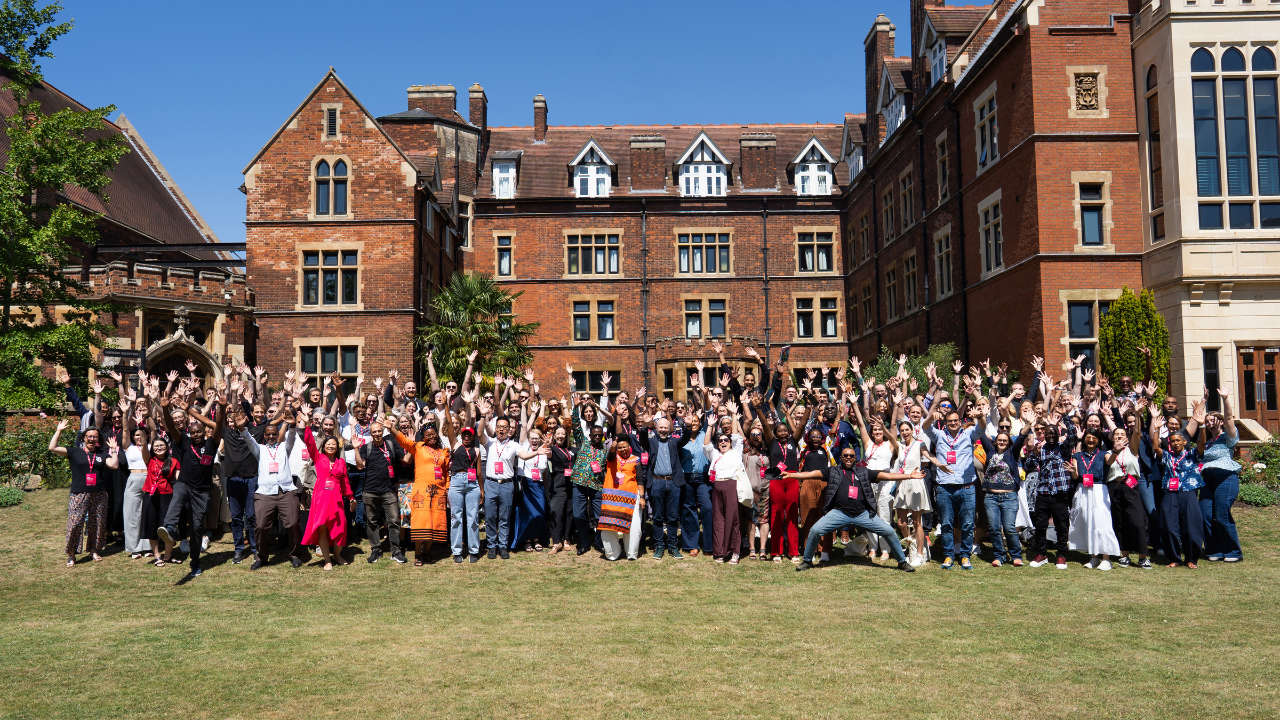
This belief brought me to Raspberry Fields 2026 at Homerton College, University of Cambridge, where global educators, partners, researchers, funders, and ecosystem builders gathered to discuss one of the most important questions of our time: how can we make computing and AI education more inclusive, practical, and scalable for young people everywhere?
For TKA, this was not just another international conference. It was a strategic milestone in our journey to position Cambodia as an emerging-market model for coding education, AI literacy, digital skills, teacher development, and education-to-employment pathways.
Learning from Global Leaders in Computing and AI Education
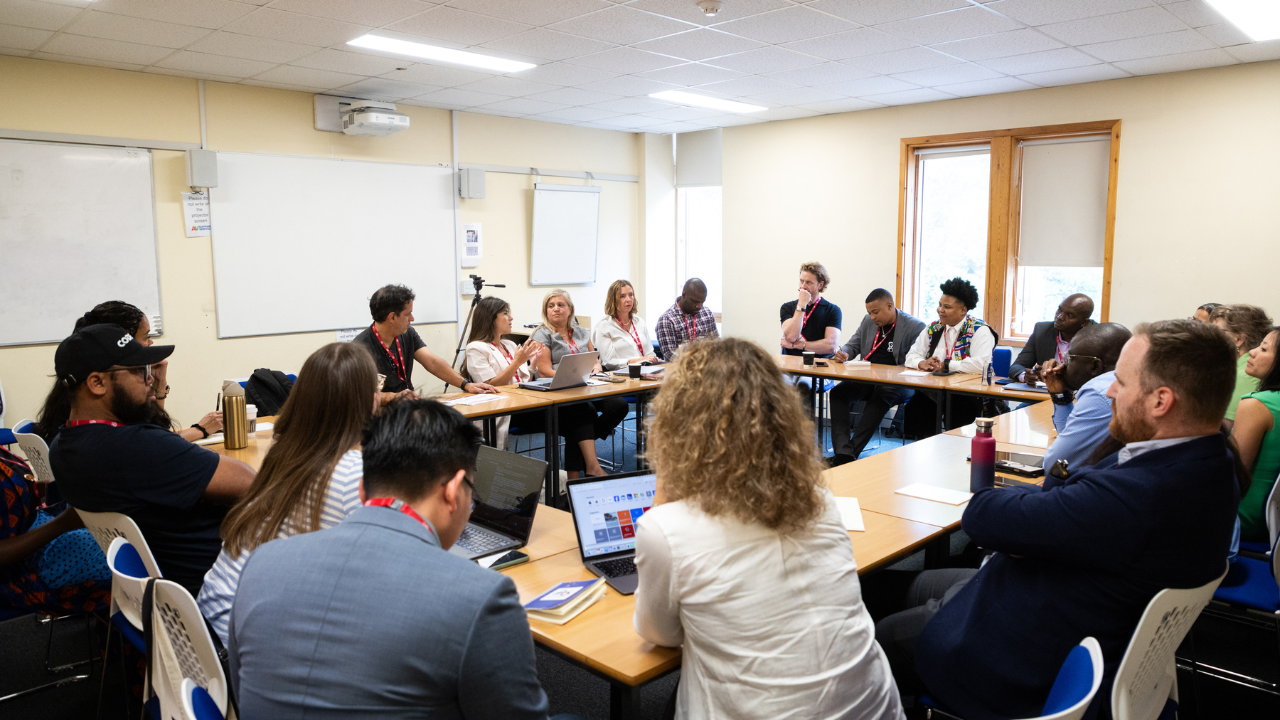
Across the conference, I joined discussions and sessions focused on the future of computing education, AI literacy, Code Club scaling, teacher development, and inclusive digital learning.
The programme included sessions such as Building the Computing Educator Pipeline, Impact at Scale: Aligning with Governments to Institutionalise AI and Computing Education, Empowering Africa’s Digital Future: Insights from the Code Club Accelerator Programme, and Unlocking What Exists: Turning Idle Devices into Engines of Learning. These themes strongly align with TKA’s work in Cambodia, where the challenge is not only access to devices or curriculum, but the full system needed to make digital learning sustainable: teachers, localized content, school leadership, government collaboration, community ownership, and student pathways.
One of the strongest reflections I took from Cambridge is that technology alone does not transform education. Transformation happens when young people are supported by trained educators, relevant learning resources, safe environments, and pathways to apply what they learn in real life.
This is exactly the ecosystem TKA is working to build in Cambodia.
Presenting Cambodia’s Code Club Journey
During Raspberry Fields, I was honored to deliver a session titled:
Code Club Nationally: Building a 60-School Ecosystem in an Emerging Market
In this session, I shared TKA’s journey of scaling Code Clubs across Cambodia and how we are moving from individual school-based clubs toward a broader national learning ecosystem.
TKA is proud to be an Official Code Club Partner working with the Raspberry Pi Foundation to bring world-class open learning resources to Cambodian students. Our partnership has already helped establish Code Clubs across the country, reaching students in both urban and rural communities with hands-on coding and digital skills learning. TKA’s previous announcement highlighted our role in turning global curriculum into local impact through our operational experience, community connections, and school partnerships.
In my presentation, I shared a practical framework for scaling Code Club in an emerging-market context:
The key message was simple:
Code Club should not only be a place where children learn to code. It should become the first step in a larger pathway from education to employment, entrepreneurship, and lifelong innovation.
From Coding Clubs to Education-to-Employment
At TKA, our vision is to build a full learning journey for young people:
Code Club → project portfolio → student showcase → mentorship → internship → entrepreneurship or employment
This is the future we are working toward.
We want students to start with Scratch, Python, Micro:bit, web development, AI literacy, and problem-solving projects. Then we want them to progress into real-world innovation challenges, national showcases, mentorship, and eventually pathways into university, startups, employment, or their own ventures.
Cambodia has a young, energetic population. The opportunity is not only to teach digital skills, but to build a national talent pipeline that prepares young people to participate in the digital economy with confidence.
Why This Matters for Cambodia
Cambodia’s education system is entering a critical period of digital transformation. Students are curious. Schools are increasingly interested. Government and development partners recognize the importance of future-ready skills. But scaling computing education requires more than ambition.
It requires:
This is where TKA sees its role: to serve as a bridge between global resources and local implementation.
Our work with Code Club, digital skills education, AI literacy, STEM, entrepreneurship, and student innovation is part of a larger mission to build a human empowerment ecosystem for Cambodia and the region.
Bringing the Global Conversation Back to Phnom Penh: RISE Week 2026
The momentum from Cambridge will continue in Cambodia through RISE Week 2026, taking place on 25–26 July 2026 in Phnom Penh. RISE Week is TKA’s capstone event celebrating young innovators from flagship programmes including Technovation x Future Digital Talents, and other youth innovation programmes. The event page describes RISE as a programme connecting youth to US, UK, and Asia innovation hubs and empowering learners to design solutions, lead teams, and drive change through technology.
We are especially excited to welcome Darren Bayliss from the Raspberry Pi Foundation to Phnom Penh during RISE Week. His visit represents a meaningful continuation of the collaboration between TKA and the Raspberry Pi Foundation, and a timely opportunity to connect global computing education expertise with Cambodia’s growing youth innovation ecosystem.
RISE Week will bring together students, parents, educators, schools, partners, entrepreneurs, and technology leaders to celebrate what young people can create when they are given the right tools, mentorship, and opportunities.
We warmly invite schools, parents, partners, and ecosystem stakeholders to join us at RISE Week 2026.
Register here: https://techforkids.asia/en/events/rise-2026
An Invitation to Collaborate
My participation at Raspberry Fields reaffirmed one important belief: Cambodia does not have to wait to be included in the future of computing and AI education. We can help shape it.
TKA welcomes collaboration with global partners, schools, government institutions, universities, companies, foundations, and ecosystem builders who share our mission to empower the next generation.
Together, we can build:
From Cambridge to Phnom Penh, this is more than a partnership story.
It is a shared commitment to help young people become confident creators of technology, problem-solvers for their communities, and leaders of the future.
Let us build the pathway together




 Agefrom 6 years to 16 years