

Teachers remain the most important driving force.

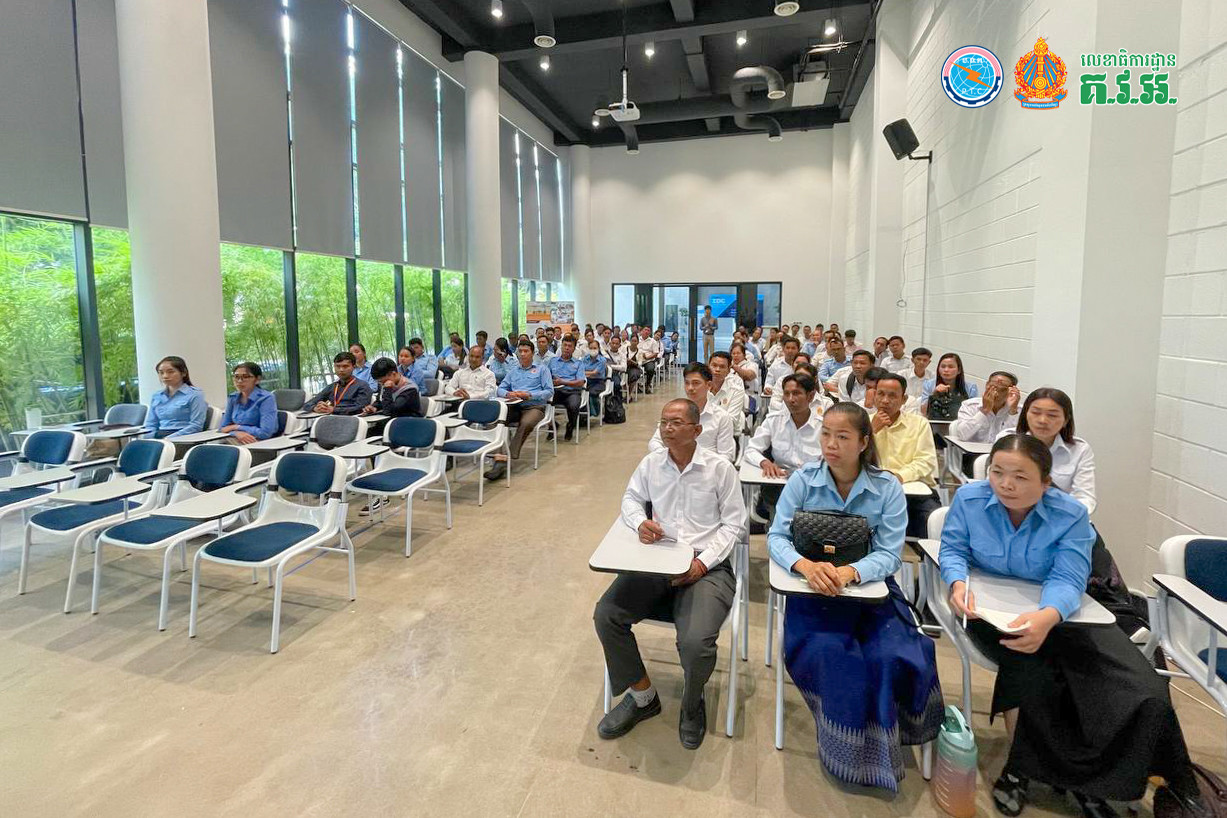
In an era where technology is reshaping the world at an unprecedented pace, what is the most critical foundation for our youth? During a recent high-level panel on "Digital Citizenship: Building Inclusive Societies through Education and Skills," Lydet PIDOR, CEO and Founder of Tech for Kids Academy, shared visionary insights on preparing Cambodia for the demands of the 21st century.
Digital Citizenship: The New Civic Literacy
For Cambodia, "Digital Citizenship" is far more than technical proficiency; it is the Civic Literacy of the 21st century. In a global context where over 60% of the job market demands digital fluency and AI readiness, a youth's future is no longer defined by degrees alone. Instead, it depends on their ability to navigate technology with safety, creativity, and a high sense of responsibility.
Why Start at the Primary Level?
The cornerstone of Mr. Lydet’s argument is the value of time. Research shows that children begin to form their digital habits and identities between the ages of 7 and 12. Introducing technology at this stage is not about forcing every child into a technical career, but rather to:
Public-Private Partnerships: A Catalyst for Scalable Change
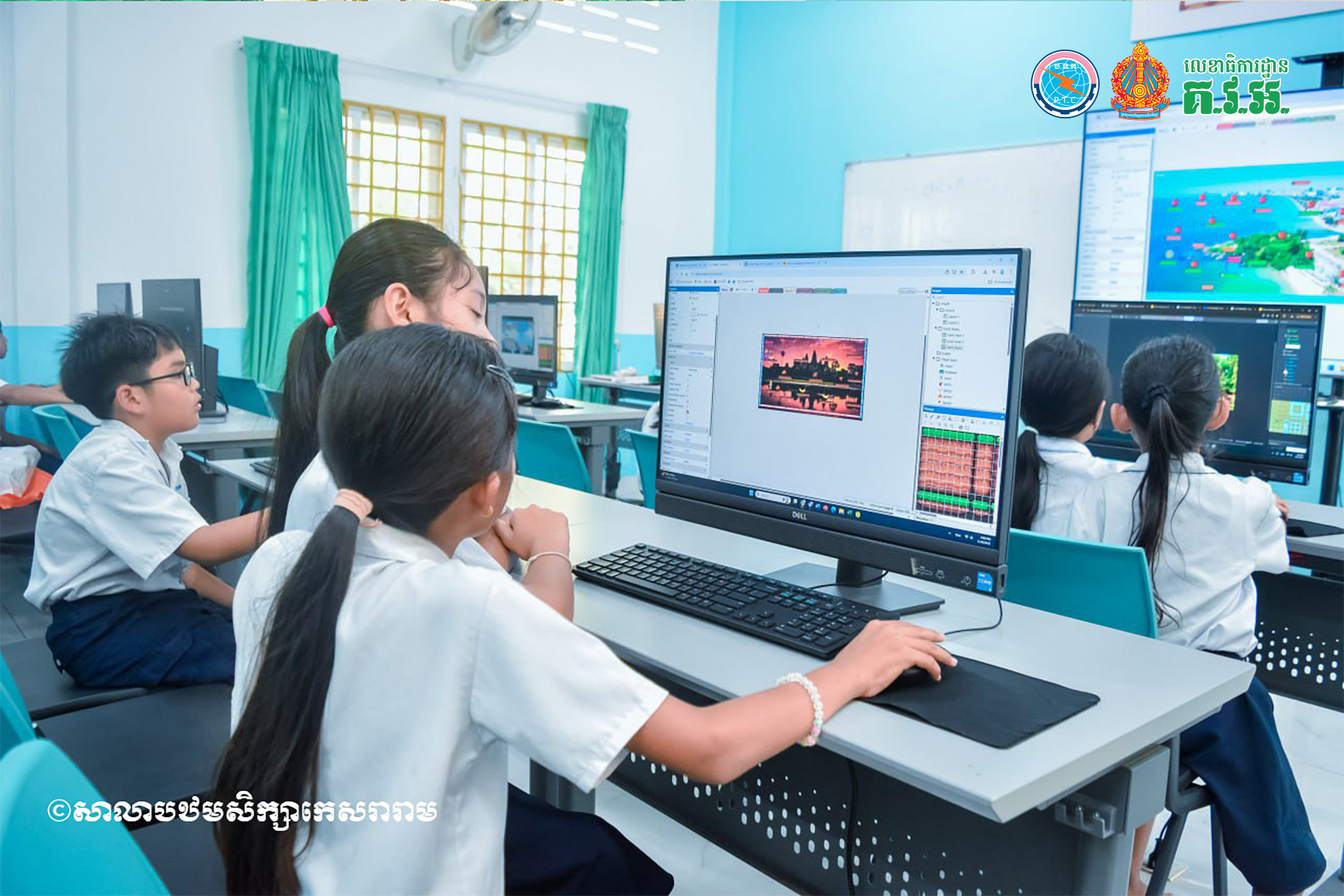
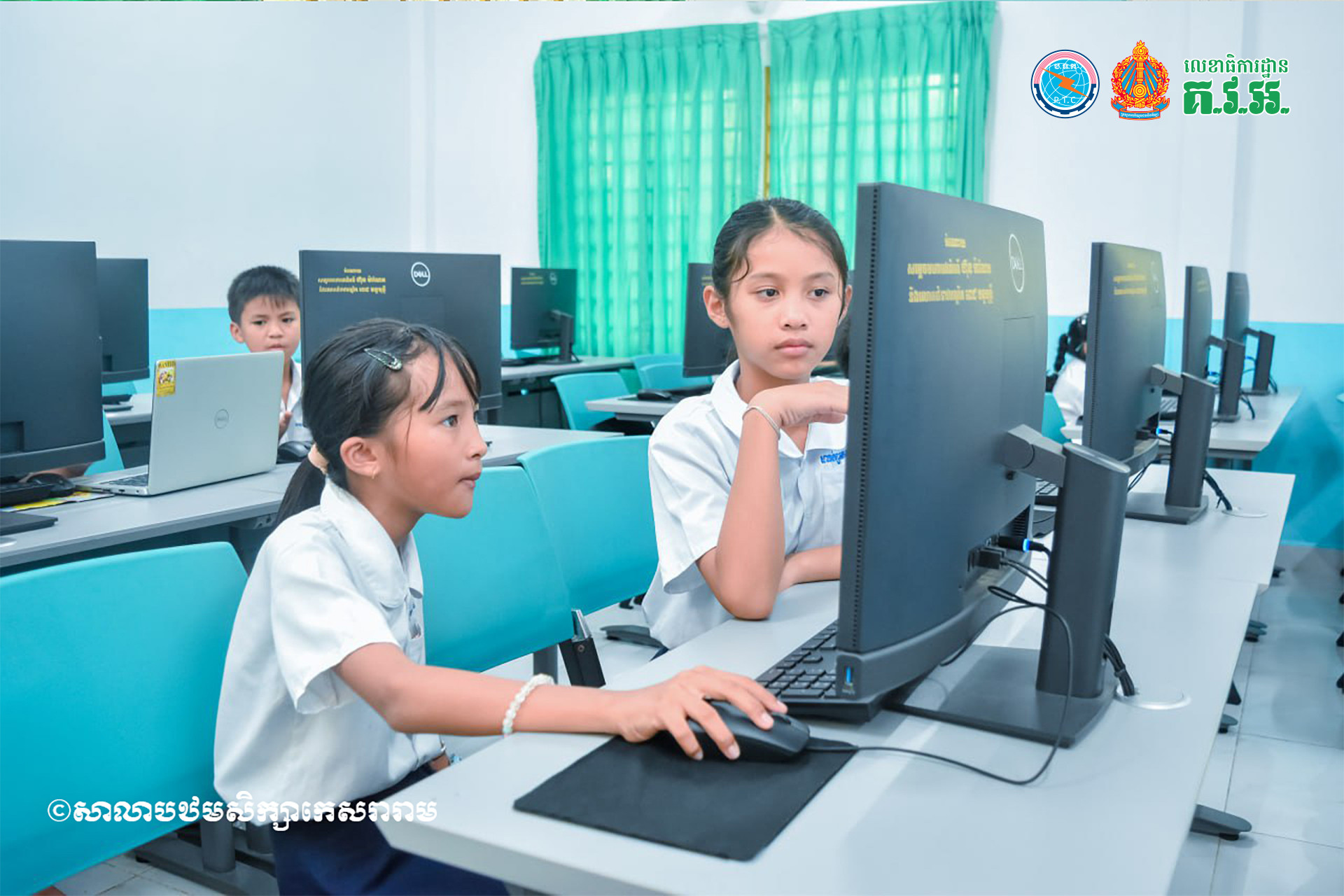
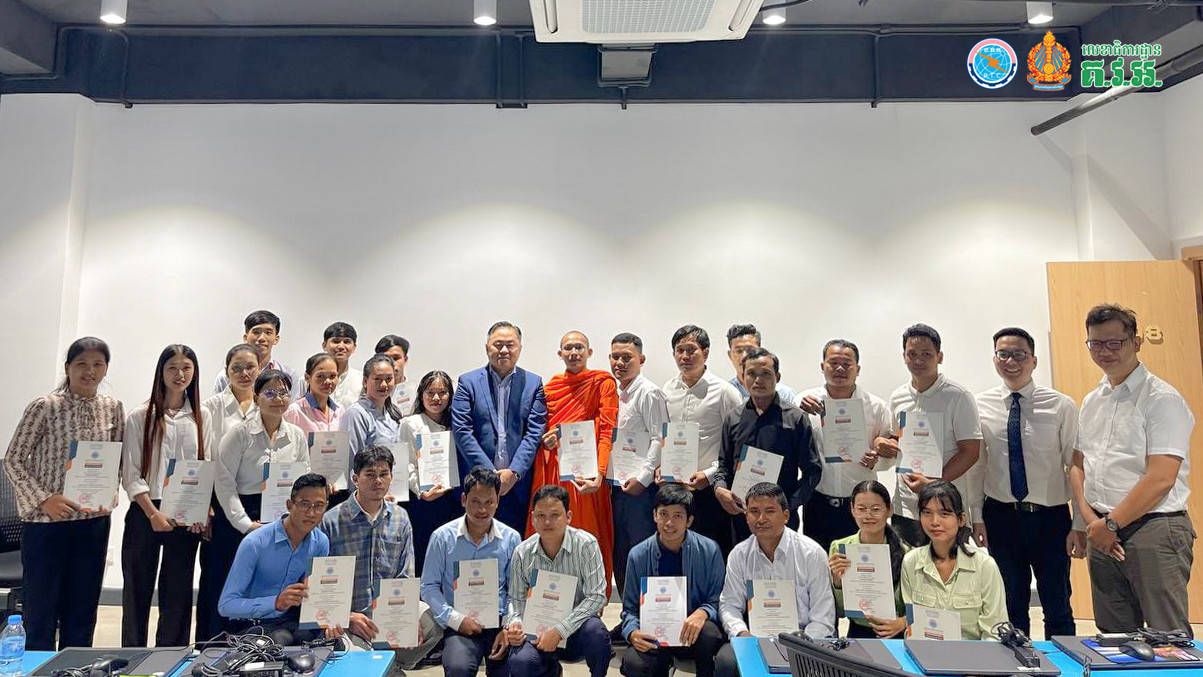
Large-scale, effective transformation is only possible through joined forces and collective effort. In this context, a strong partnership between the public and private sectors is a vital catalyst—best exemplified by the Digital Skills Learning Program, a collaboration between the Ministry of Post and Telecommunications and Tech for Kids Academy.
When the government provides the policy roadmap and the private sector brings in technical innovation, schools become the essential platform to democratize digital education. This ensures technology becomes a universal opportunity for every child, rather than a privilege reserved for those with high resources.
Teachers: The Irreplaceable Driving Force of Education
Ultimately, regardless of how advanced technology becomes, Mr. Lydet reminded us that: "Teachers remain the most important driving force." Supporting and training educators to embrace a digital mindset is at the core of building quality human capital. No technology can replace the impact of education, mentorship, and the direct guidance that a teacher provides to their students.
A Vision for the Future
Tech for Kids Academy expresses our deepest gratitude to the Ministry of Post and Telecommunications for their trust and strong collaboration.
We remain steadfast in our commitment to turning the next generation from mere "consumers" into "creators"—empowered with the potential to compete and lead both regionally and on the global stage.








The pioneer of a new educational path in technology and entrepreneurship that bridges students to their best potential of tomorrow.




 Agefrom 6 years to 16 years